




Mountain Style Golf Courses: What Makes Them Unique?
Unlike flatter parkland layouts, mountain courses are less predictable, more scenic, and more demanding, rewarding creativity and adaptability over consistency.
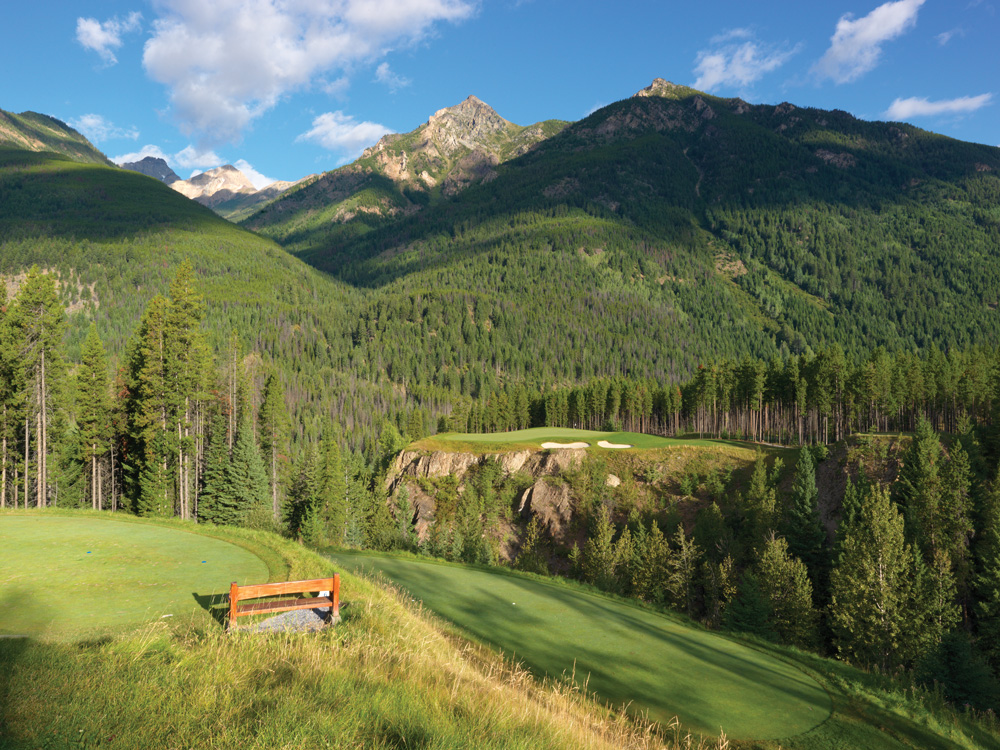
What Is a Mountain Golf Course?
A mountain golf course is a layout built in hilly or mountainous terrain, where the natural elevation becomes the defining feature of the game. Instead of flattening the land, designers use slopes, valleys, and ridges to shape each hole.
This creates a playing environment where no two shots feel the same. Uphill, downhill, and sidehill lies become part of the experience, and the landscape directly influences strategy.
In simple terms, mountain golf is golf shaped by elevation.
Key Characteristics of Mountain Golf Courses
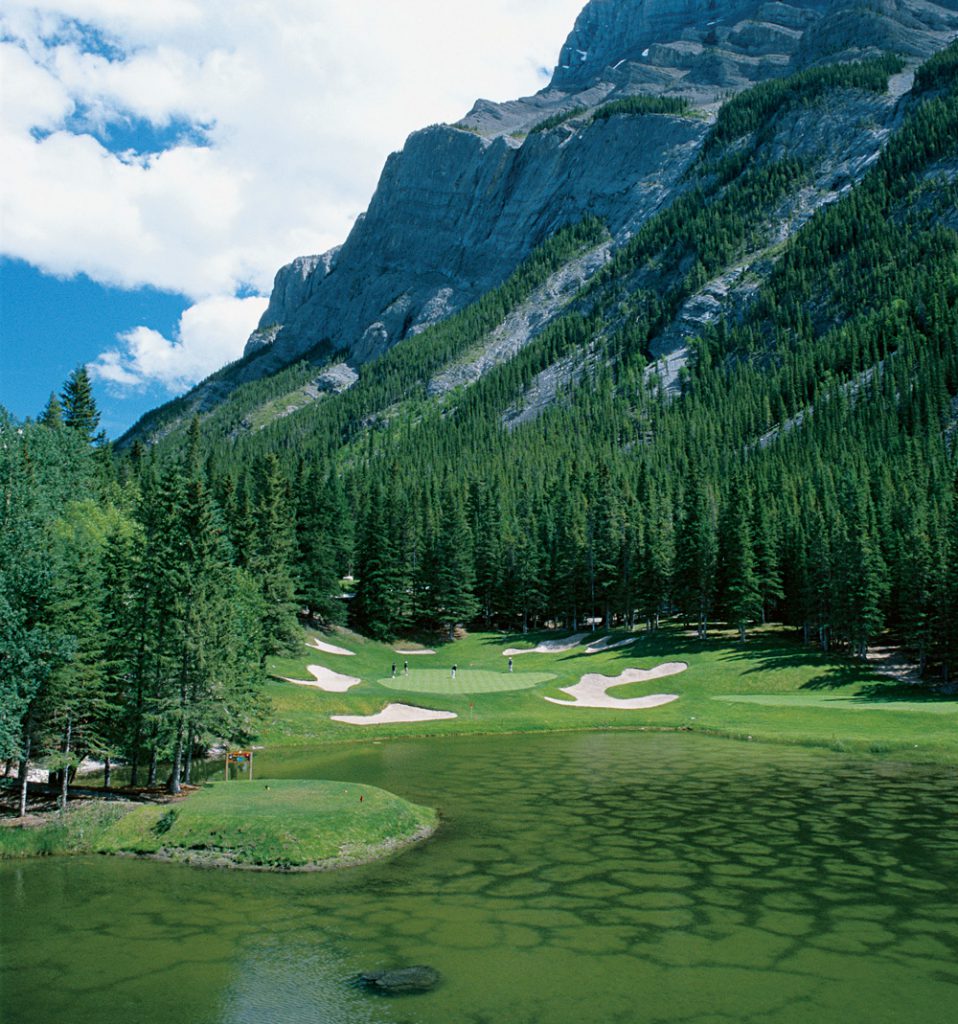
Elevation is the defining feature. Players regularly face uphill and downhill shots, which directly affect distance, trajectory, and club selection.
Flat lies are rare. The ball may sit above or below your feet, forcing constant adjustments in stance and swing.
Conditions can change quickly in elevated areas. Wind direction and strength may vary between holes, adding another layer of unpredictability.
Mountain courses are among the most visually striking in golf. Panoramic views, valleys, and dramatic landscapes are not just background—they are part of the experience.
Mountain vs Parkland – The Simple Difference
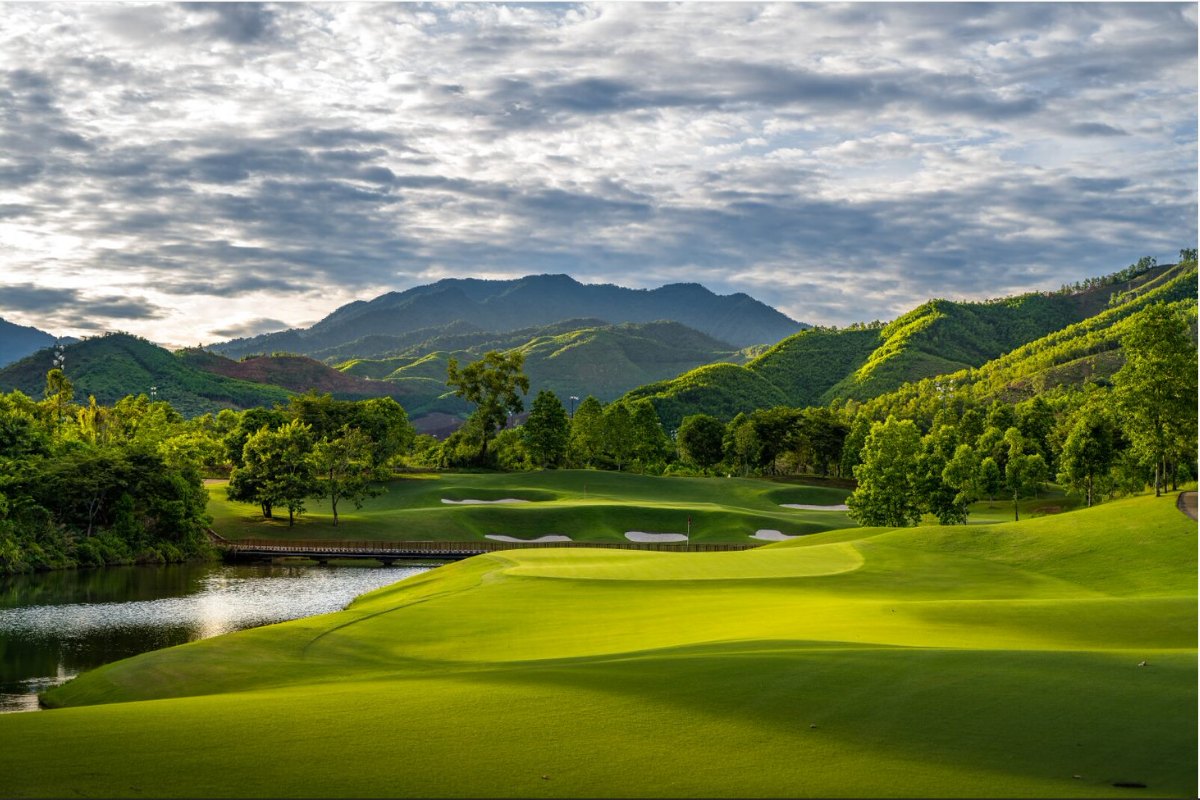
While both are common golf course types, the difference is clear.
Mountain courses are shaped by elevation and natural terrain. They are dynamic, unpredictable, and visually dramatic. Parkland courses, on the other hand, are typically flat, tree-lined, and designed for consistency.
If parkland golf is about control and structure, mountain golf is about variation and experience.
Best Mountain Style Golf Courses in Vietnam
Vietnam’s varied terrain makes it one of Southeast Asia’s most exciting destinations for mountain golf. From cool highlands to forested valleys, the country offers layouts that fully embrace elevation, natural contours, and scenic drama.
Thanh Lanh Valley Golf & Resort – Mountain Golf in a Natural Valley
Set deep within a quiet valley surrounded by forested hills, Thanh Lanh offers a more immersive and tranquil version of mountain golf. The course flows naturally with the terrain, creating a sense of isolation and calm.
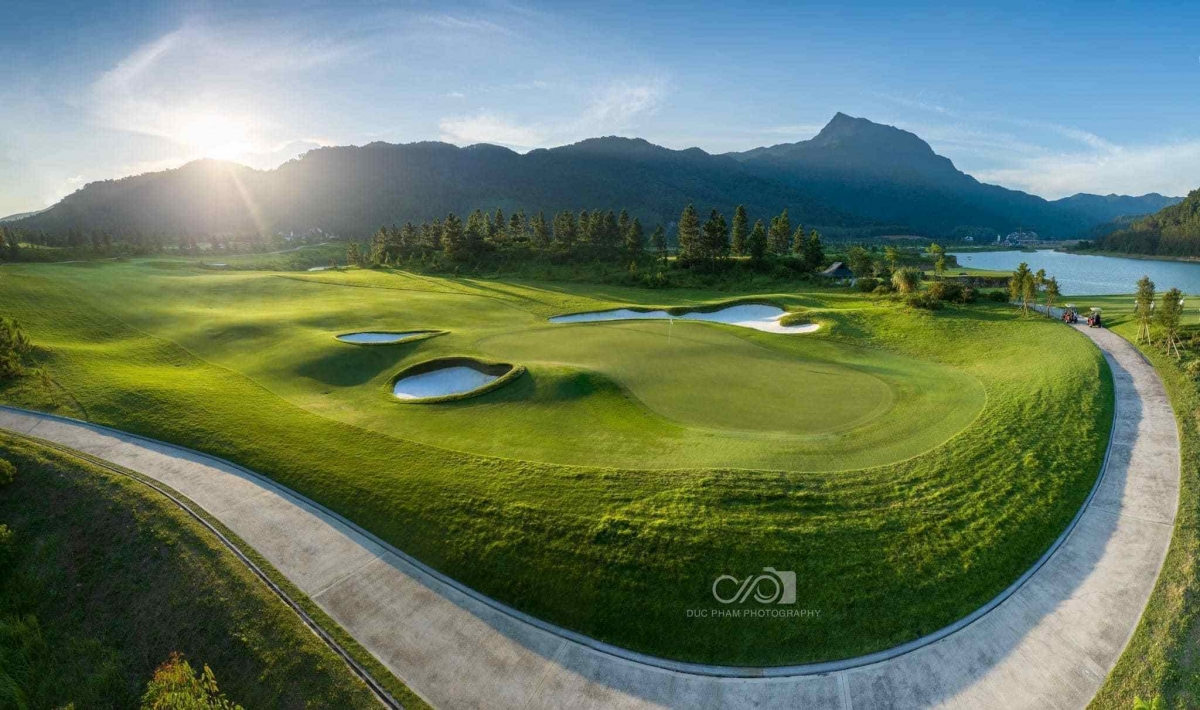

It is a great example of how mountain golf can feel relaxing while still being strategically engaging.
Ba Na Hills Golf Club – The Benchmark of Mountain Golf in Vietnam
Often considered one of the best golf courses in the country, Ba Na Hills showcases mountain golf at its most refined.
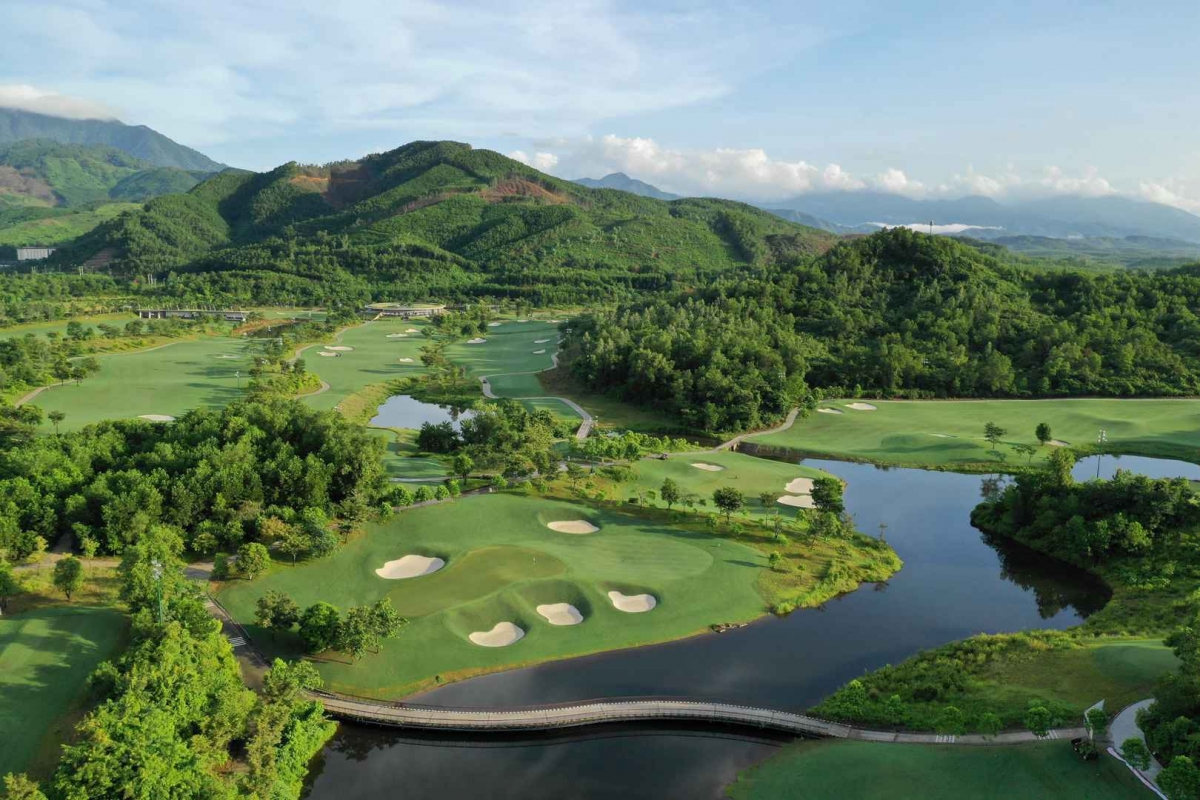
Located in the foothills near Da Nang, the course uses elevation to create variety without sacrificing playability.
Dalat Palace Golf Club – Classic Highland Golf with Elevation
Located in the cool highlands of Da Lat, this historic course combines parkland elements with mountain terrain.


Combined with tree-lined fairways and a classic layout, Dalat Palace offers a unique hybrid experience—where traditional design meets mountain conditions.
BRG Legend Hill Golf Resort – Elevated Strategy Near Hanoi
Just outside Hanoi, BRG Legend Hill introduces a different take on mountain golf. Built across hilly terrain, the course emphasizes elevation-driven strategy rather than dramatic scenery.


What makes it unique is its twin green concept, but the terrain itself also plays a key role.
How to play golf better on Mountain Golf Courses
Mountain courses are often seen as more difficult because they introduce variables that are not present in flatter layouts.
Uneven lies affect ball contact, elevation changes distort distance perception, and shifting conditions require constant recalculation. Even experienced golfers can find these factors challenging.
Club Selection Becomes Dynamic
Elevation changes mean distance is no longer consistent. A downhill shot may travel much farther, while uphill shots require extra power. Choosing the right club becomes more complex.
Shot-Making Becomes Creative
Straight, textbook shots are not always enough. Players need to shape shots, adjust angles, and think creatively to navigate the terrain.
Adaptability Is Essential
Every hole presents a new challenge. Success in mountain golf depends on your ability to adjust quickly and make smart decisions under changing conditions.

Mountain golf courses represent one of the most dynamic forms of the game. They challenge players to think differently, adapt constantly, and engage with the landscape in a way that flatter courses do not. For those willing to embrace the challenge, they offer not just a round of golf, but a truly memorable experience.
What about other types of golf courses? Read more