



EVERY Type of Golf Course You Need to Know
Golf courses come in many forms and shapes; each type is defined by its terrain, climate, and design philosophy, which directly affects how the game is played. Understanding these differences helps you choose the right course, improve your strategy, and plan better golf trips.

What separates different golf courses
A golf course type is defined by how a course is shaped by its natural environment and design approach. This includes factors like terrain, weather conditions, vegetation, and how much the course has been modified by humans.
Some courses are built around natural landscapes, such as coastal dunes or mountain valleys, while others are heavily engineered to create playable conditions in challenging environments. These elements influence everything from how the ball moves to which clubs you should use.
In simple terms, the type of golf course determines how the game feels and how it should be played.
What are the types of golf courses
Golf Course Style | Terrain | Key Characteristics |
Links | Coastal | Windy, firm, rolling dunes |
Parkland | Inland | Lush, tree-lined, soft ground |
Desert | Arid | Sand-heavy, dry, artificial turf |
Heathland | Inland sandy | Open, natural vegetation |
Mountain | Elevated | Slopes, scenic views |
Sandbelt | Sandy base | Fast turf, strategic bunkers |
The 6 Core Types of Golf Courses
Links Courses – The Original Golf Experience
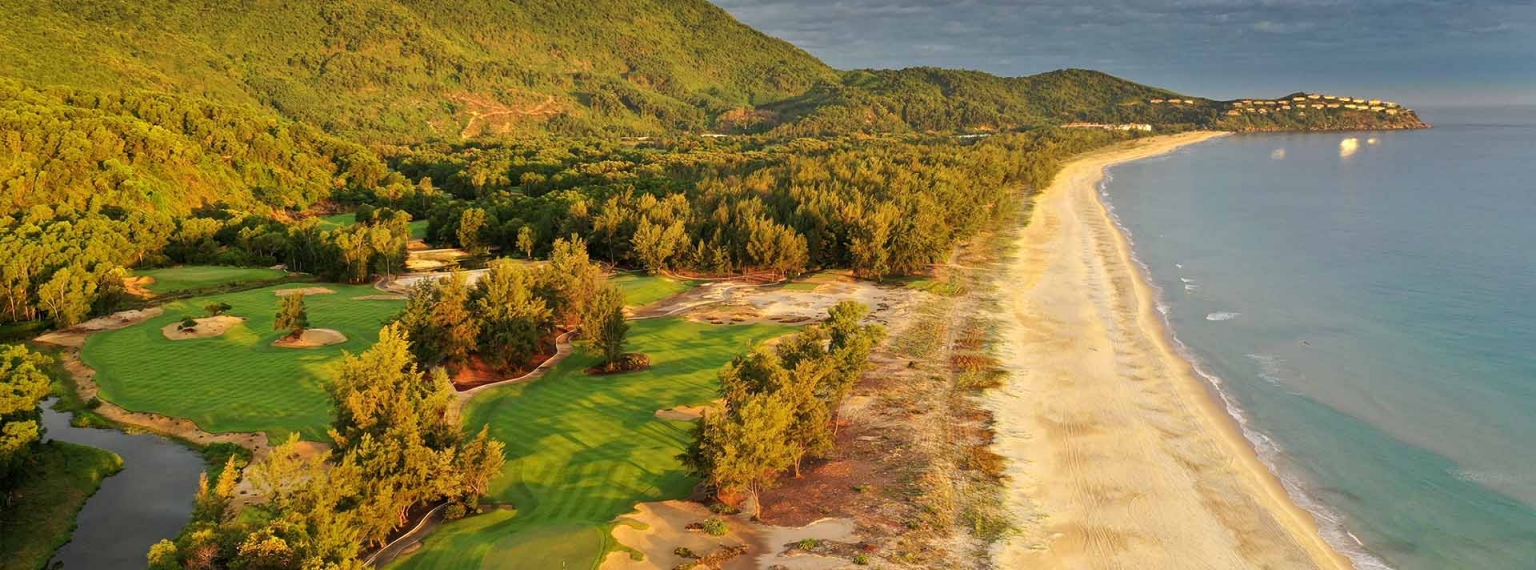
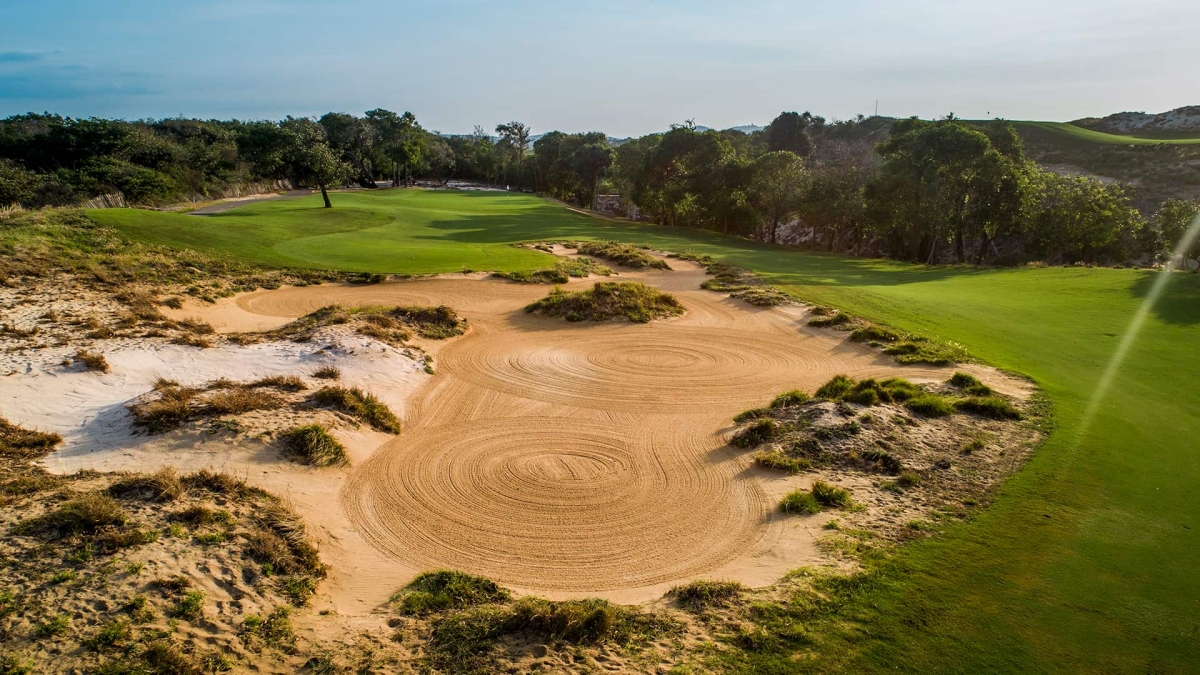
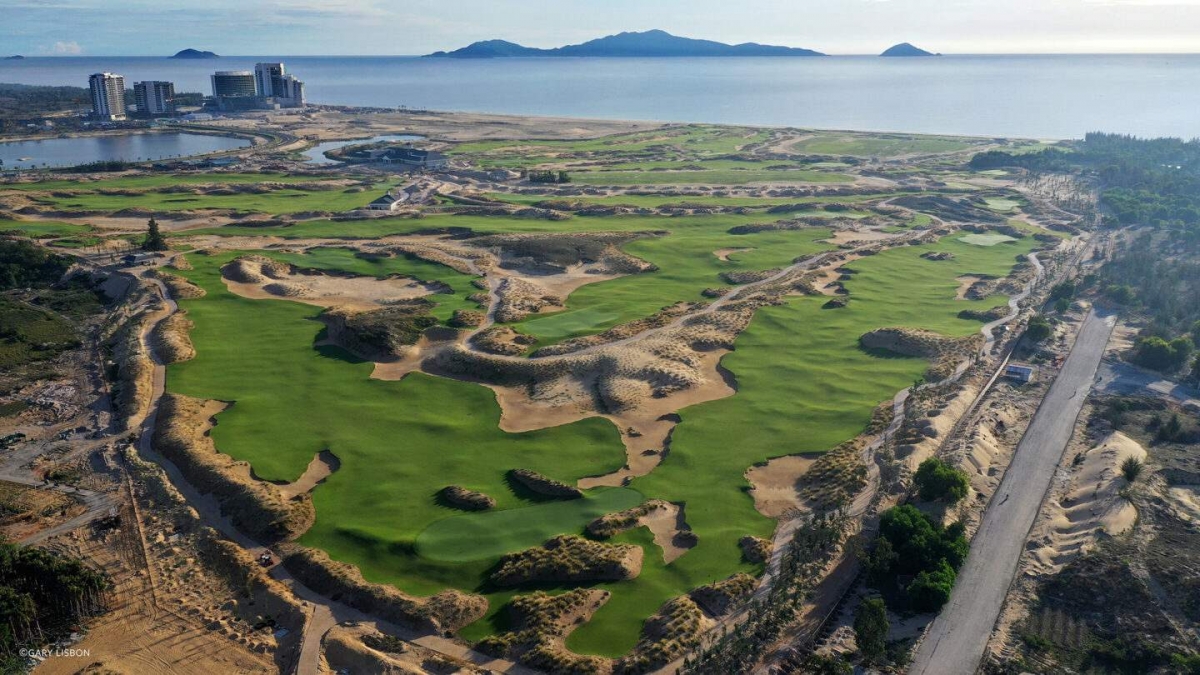
Links courses originated in Scotland and are considered the purest form of golf. They are typically located along coastlines, featuring sandy soil, natural dunes, and very few trees.
Wind is the defining factor. Players must keep shots low and use the ground strategically, as the ball often rolls far after landing. Courses like St Andrews Links highlight how challenging and creative links golf can be.
Links-style golf courses can be found widely in Vietnam, with 2 of the best being Hoiana Shores Golf Club and The Bluffs Grand Ho Tram. These courses demonstrate just exactly why Link-style courses are loved by golfers around the world: Sand dunes, shorter trees, fast fairways, and the distinctive windy sea breeze.
Parkland Courses – The Most Common Type
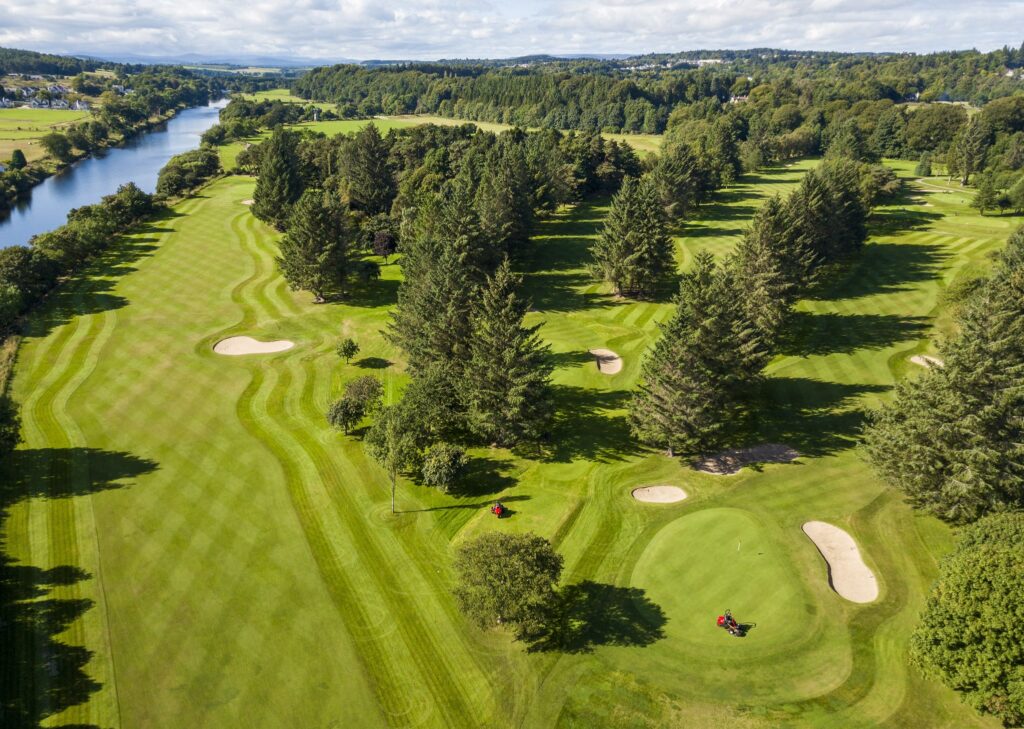
Parkland courses are the most widely found, especially across North America and Asia. These inland courses are known for lush grass, tree-lined fairways, and well-maintained greens.
They offer more predictable conditions compared to links courses, making them ideal for beginners. The focus here is on accuracy and consistency rather than adapting to extreme natural elements.
Similarly, Parkland-style courses can also be found all over Vietnam, typically in Hanoi and Ho Chi Minh City. Silk Path Dong Trieu, Tan Son Nhat Golf Course and BRG Kings Islands Course are all perfect examples of Parkland Golf Courses.



Desert Courses
Desert courses are built in dry, sandy regions where natural grass is limited. Designers use irrigation systems to create green fairways surrounded by desert terrain.
These courses demand precision. Missing the fairway can lead to difficult lies in sand or rocky areas. Combined with heat and dry air, desert golf can be physically and mentally demanding.
Heathland Courses
Heathland courses combine elements of links and parkland styles. They are typically inland but feature sandy soil and open landscapes similar to links courses.

Vegetation such as heather replaces dense trees, creating a wide but strategic playing field. These courses reward smart shot-making and adaptability.
Mountain Courses – Scenic and Elevated Golf
Mountain courses are built in elevated areas, offering some of the most scenic golf experiences. They feature dramatic elevation changes, cooler climates, and panoramic views.
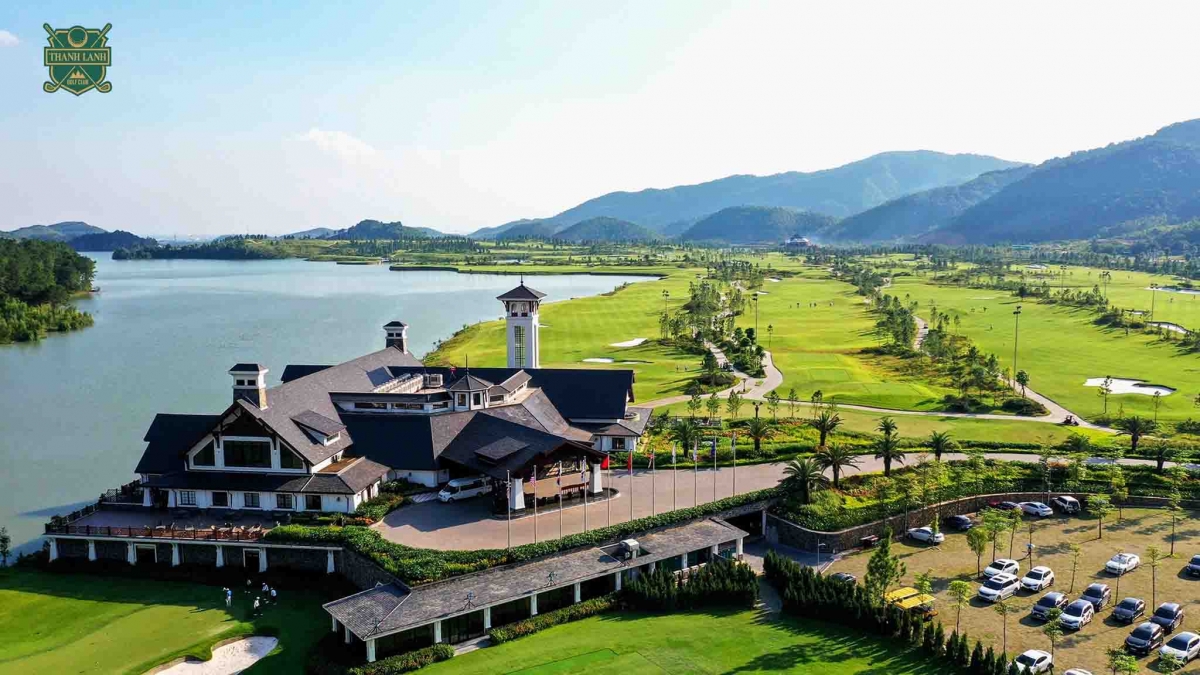
However, these features also create challenges. Players must adjust for uphill and downhill shots, which can significantly affect distance and accuracy. Courses like Thanh Lanh Valley Golf & Resort show how mountain terrain can create both beauty and complexity.
Sandbelt Courses – Australia’s Signature Style
Sandbelt courses are most commonly found in Australia. Built on sandy soil, they offer excellent drainage and firm playing conditions.
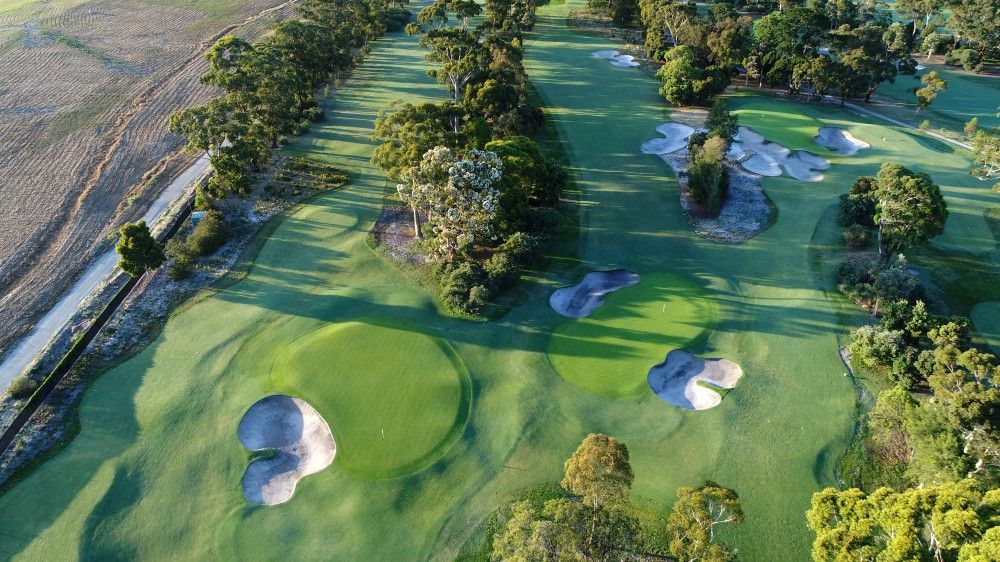
Their defining feature is strategic bunkering. Deep and well-placed bunkers require careful navigation, while fast greens demand precision. These courses are particularly favored by skilled players who enjoy technical challenges.
Other types of courses you may know
Resort Golf Courses
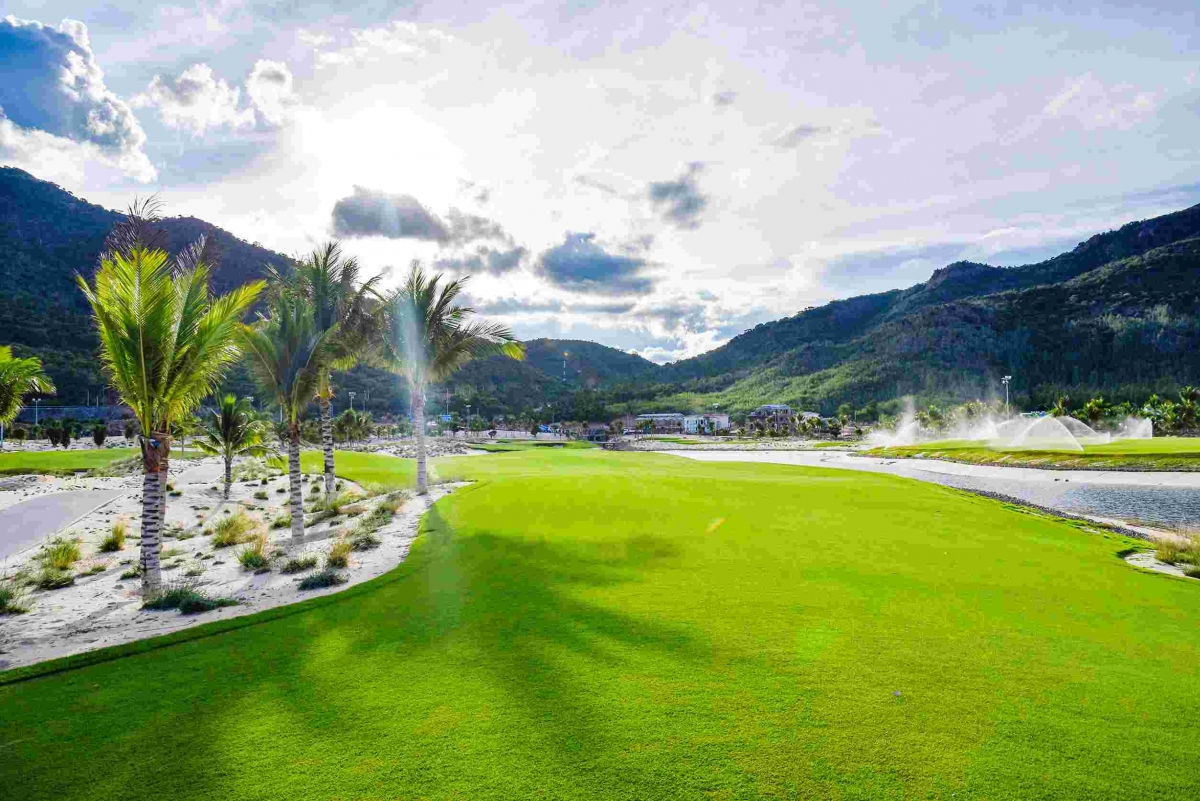
Resort courses are designed with tourism in mind. They often prioritize scenic views and an enjoyable playing experience over difficulty. These courses are perfect for casual golfers and travelers.
Championship Golf Courses
Championship courses are built to host professional tournaments. They are typically longer, more difficult, and designed to test every aspect of a golfer’s skill.
Executive Courses
Executive courses are shorter layouts, often featuring more par-3 holes. They are ideal for quick rounds, beginners, or players looking to practice specific aspects of their game.
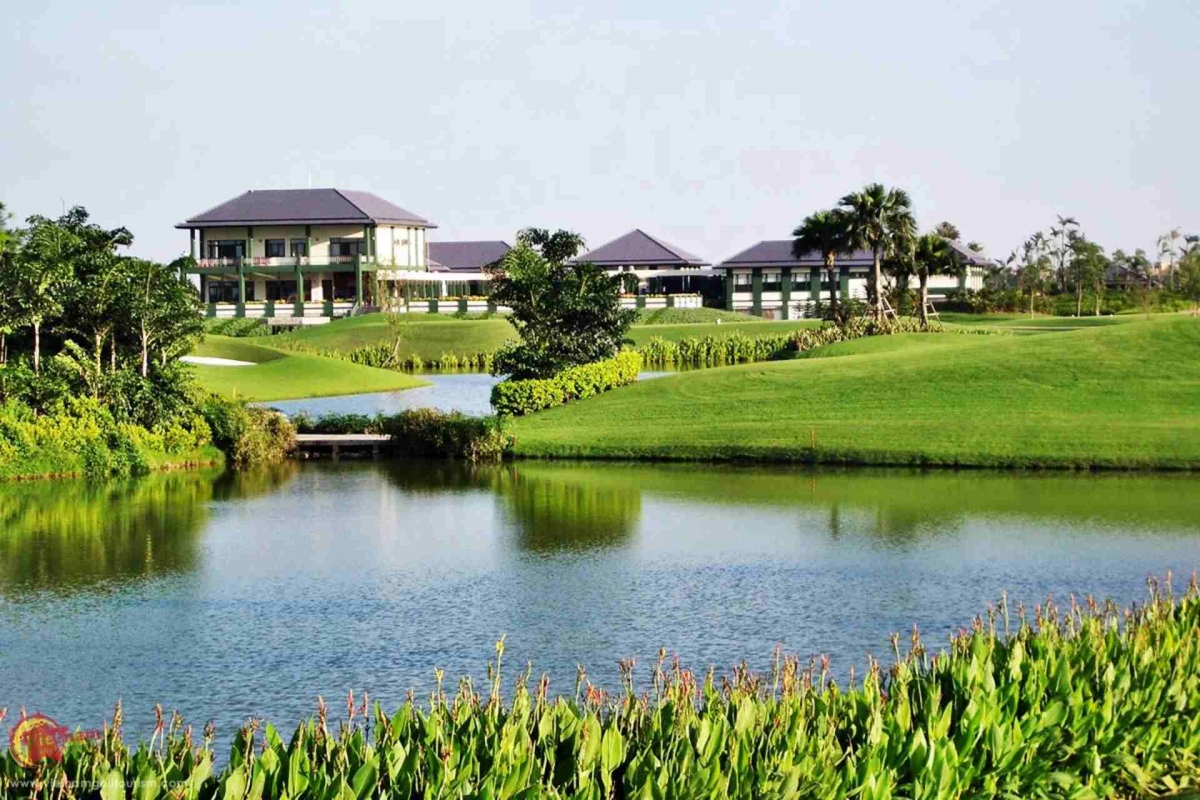
Van Tri Golf Club in Vietnam stands out as one of the best of its kind in Asia.
How these conditions can Affect Your Game
Each type of course requires a different approach. On links courses, you need to control ball flight and play low shots. On parkland courses, accuracy and consistency are more important.

Mountain courses require careful distance control due to elevation changes, while desert and sandbelt courses demand precision and discipline. Understanding these differences helps you make better decisions on the course.
Choosing the Right Golf Course for Your Trip
Choosing the right course depends on your skill level and what kind of experience you want.
Beginners should start with parkland or resort courses, which are more forgiving. Intermediate players may enjoy mountain or heathland courses, where strategy becomes more important. Advanced golfers often seek out links, desert, or championship courses for a greater challenge.

Matching the course type to your ability ensures a more enjoyable and rewarding experience.
Golf Course Types in Vietnam
Vietnam is becoming one of Asia’s most exciting golf destinations, offering a variety of course types in a single country.
For example, KN Golf Links Cam Ranh delivers a true links-style experience along the coast. Thanh Lanh Valley Golf & Resort represents mountain golf with scenic elevation changes, while BRG Kings Island Golf Resort offers a classic parkland-style layout. Meanwhile, Van Tri Golf Club showcases the exclusivity of private golf.
This diversity makes Vietnam an ideal destination for golfers looking to experience multiple styles of play.
Understanding every type of golf course is not just about learning definitions—it is about transforming how you approach the game. Whether you are playing by the sea, in the mountains, or on a championship layout, knowing your course gives you the insight needed to play smarter and enjoy the game more.