




Vietnam becoming Filipino tourists' favourite destination
Data from the Tourism Information Center under the Vietnam National Authority of Tourism (VNAT) shows that Filipino visitor numbers have rebounded strongly since the Covid-19 pandemic and continue to rise.
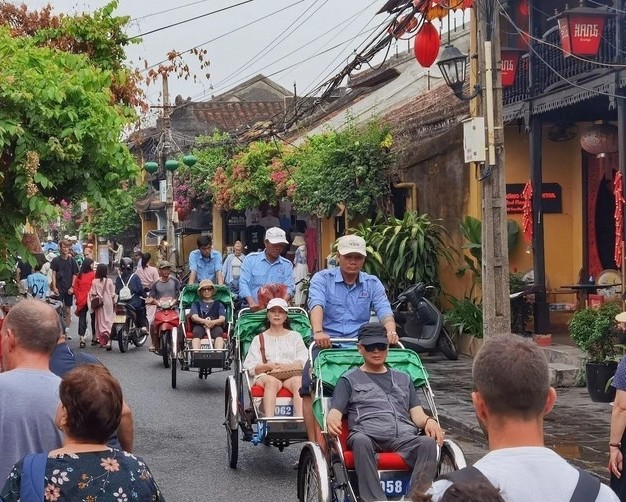
Filipino tourists are absolutely loving Vietnam!
Vietnam is quickly positioning itself as a top choice for travelers from the Philippines, recording more than 482,000 arrivals in 2025. This growth is largely driven by ASEAN visa-free policies and stronger bilateral ties between the two countries.
Popular destinations among Filipino tourists include Da Nang, Sa Pa, Phu Quoc, and Nha Trang, along with a strong interest in Vietnam’s diverse and distinctive food culture.

VNAT Director Nguyen Trung Khanh highlighted that Vietnam and the Philippines share many similarities in terms of natural landscapes, tourism assets, and cultural background. Both countries are located in Southeast Asia, creating favorable conditions for collaboration in tourism development and cross-border travel promotion.
Improved connectivity has also played a key role, with airlines from both countries expanding direct flight routes between major cities, making travel more convenient and accessible.
Another update one Vietnam-Philippines tourism
On the other hand, outbound travel from Vietnam to the Philippines has been less consistent, with recent figures showing a slight decline. This is partly due to increasing competition from other regional destinations.
Philippine Ambassador to Vietnam Francisco Noel R. Fernandez III noted that airlines in the Philippines are rolling out new initiatives to attract more visitors. There are also plans to establish a tourism representative office in Vietnam to strengthen market presence and boost cooperation.

Tourism collaboration between the two nations has a long-standing foundation and continues to grow. In 2026, the Philippines will host the ASEAN Tourism Forum (ATF), with active participation from Vietnam’s tourism sector.
Looking ahead, both countries are finalizing a Tourism Cooperation Programme for the 2026–2029 period. Once signed, the agreement is expected to serve as a key framework for expanding joint initiatives and encouraging two-way tourism growth.