



Travel Made Easy: Flying During Festive Holidays & All You Need to Know
Flying during festive holidays such as Christmas, New Year’s Eve, and Lunar New Year means higher prices, fuller flights, longer airport queues, and more frequent delays. Book earlier than usual, avoid peak travel dates, choose reliable flight times, pack smart, and prepare for disruptions to keep holiday travel stress under control.
Why Festive Flights Are Different
Festive holidays create the highest travel demand of the year. Airlines operate close to full capacity, airports run at maximum volume, and even small disruptions can ripple into widespread delays. Unlike regular travel periods, festive flying leaves little room for flexibility, which makes preparation far more important than spontaneity.
During these seasons, travelers are not just tourists. Families returning home, business travelers, and leisure passengers all compete for limited seats, baggage space, and airport services.
The Busiest Festive Periods for Flying
Some holidays consistently create extreme congestion in the air.
Christmas and New Year’s are global peaks for both short-haul and long-haul flights.
Lunar New Year (Tết) is the busiest flying period across Asia, especially for domestic routes.
Extended public holidays and long weekends create regional spikes, particularly on Friday and Sunday flights.
Understanding which holidays affect your route helps set realistic expectations before you even book.
When to Book Flights for Festive Travel
Booking early is the single most important factor in festive flying.
For international routes, flights should ideally be booked 8–12 weeks in advance. For regional and domestic routes, 6–8 weeks is usually the minimum window to avoid inflated prices or limited seat choices.
Certain days are best avoided. Departures one or two days before the holiday and returns immediately after are almost always the most expensive and crowded. Flying on the holiday itself is often cheaper and less congested.
Flexible tickets matter more during festive periods. Changeable fares and free date modifications can save significant money if plans shift due to weather, illness, or schedule changes.
Why Festive Flight Prices Rise
Festive airfare is driven by demand, not distance. Airlines know seats will sell regardless, so discounts disappear. In addition, fees for seat selection, baggage, meals, and sports equipment often increase, pushing total ticket costs higher than expected.
Price tracking tools can help, but during peak holidays, waiting rarely results in better deals.
Choosing the Best Flight Time
Flight timing can make or break your experience.
Early morning flights are more reliable because aircraft and crews start fresh.
Late-night flights are often cheaper but more vulnerable to cascading delays.
Direct flights reduce risk during peak periods, while connections increase exposure to missed flights and baggage delays.
When possible, prioritize reliability over convenience.
Airport Survival Tips During Festive Seasons
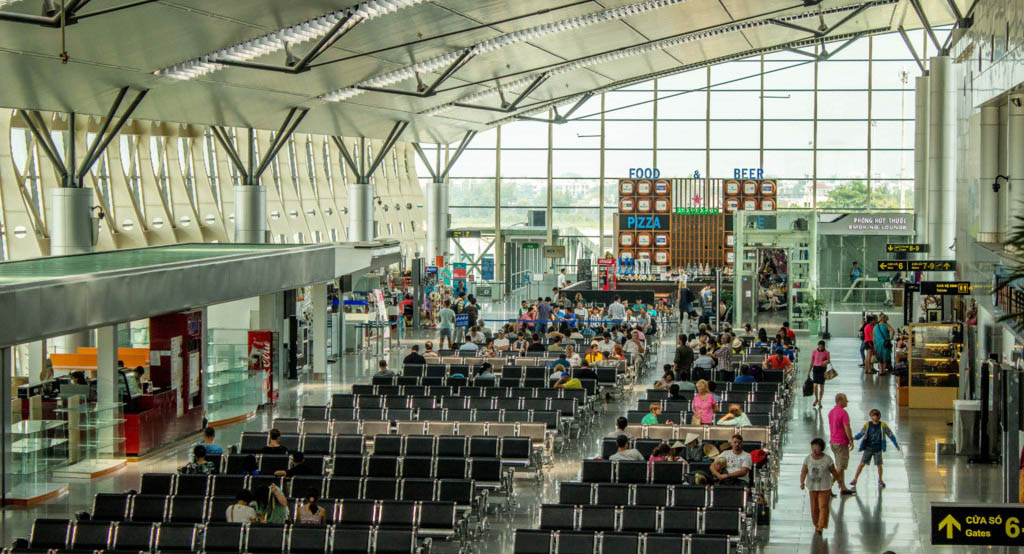
Airports behave differently during holidays.
Arrive earlier than normal: at least 2.5–3 hours for domestic flights and 4 hours for international departures. Security and immigration lines move slower due to volume, not inefficiency.
Checked baggage adds risk during festive travel. Packing light and flying carry-on only reduces waiting time and lowers the chance of delayed luggage.
Keep documents accessible, boarding passes digital, and essential items in your personal bag.
>>> Get our newest promotions on golf packages EVERYWHERE in Vietnam
Packing Smart for Festive Flights
Holiday packing often means heavier bags, gifts, and special items.
Avoid wrapping gifts before flying, as security may need to inspect them.
Check airline rules for sports equipment and oversized baggage early.
Use luggage trackers when checking bags during peak periods.
Smart packing reduces stress at both departure and arrival.
Delays, Cancellations, and How to Handle Them
Festive delays are common and not always avoidable. Weather disruptions, crew limitations, and airport congestion compound quickly during peak periods.
When delays happen, stay calm and act quickly. Rebook through airline apps before queues form, keep receipts for potential compensation, and know your passenger rights based on route and airline policy.
Travel insurance becomes particularly valuable during festive seasons.
Flying with Family, Kids, or Golf Equipment
Festive travel amplifies complexity when traveling with others or special gear.
Families should consider seat selection early, pre-ordering meals, and boarding assistance. Golf travelers should confirm equipment policies, holiday surcharges, and storage availability in advance, as space fills up quickly during peak travel.
Early check-in and buffer time are essential.
Health, Comfort, and Safety in Crowded Flights
Crowded cabins increase fatigue. Stay hydrated, manage sleep, and move when possible during long flights. Wearing layers helps adjust to fluctuating cabin temperatures, and basic hygiene precautions reduce the risk of illness during high-contact travel periods.
Why Travel Insurance Matters More During Holidays
Festive travel insurance should cover delays, cancellations, missed connections, and baggage issues. For golfers and premium travelers, equipment protection and medical coverage are equally important.
Insurance is not an extra cost during festive travel; it is a risk-management tool.
Fly Smarter During Festive Holidays
Flying during festive holidays does not have to be chaotic. With early booking, realistic timing, flexible planning, and smart packing, travelers can significantly reduce stress and enjoy the journey as part of the holiday experience.
Festive travel rewards preparation. The more you plan, the smoother your flight will feel — even during the busiest season of the year.