



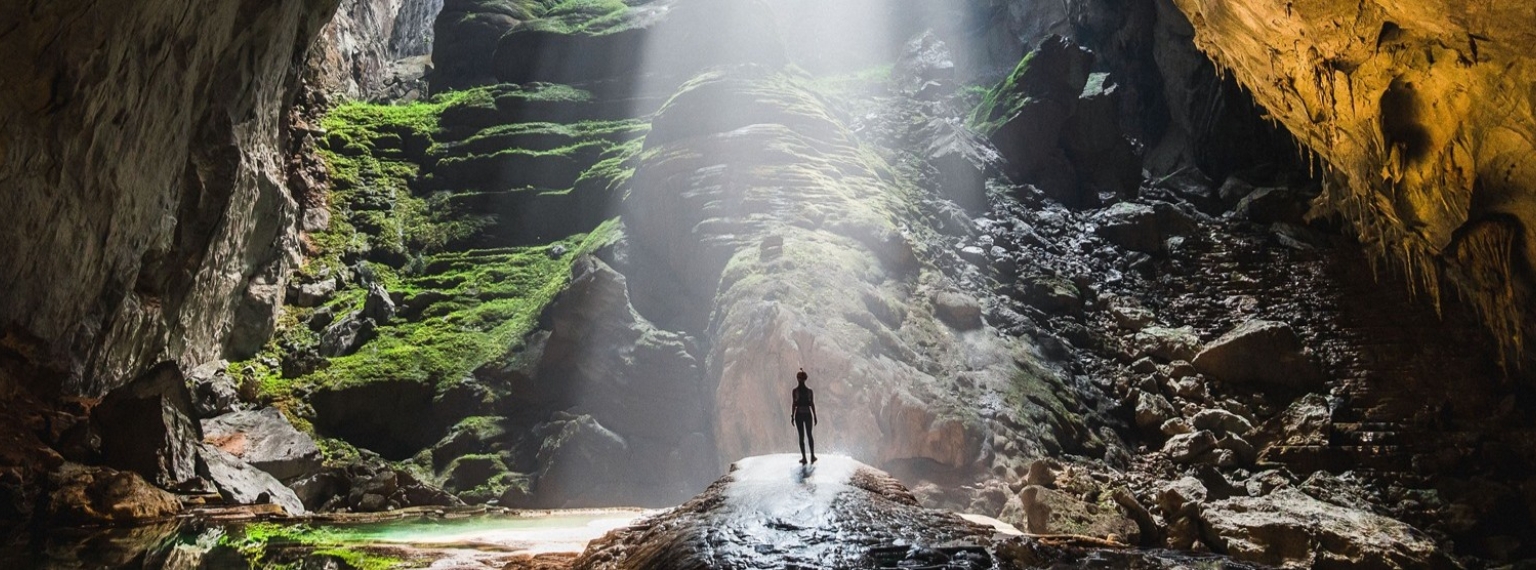
Son Doong Cave: A 21st-Century Natural Wonder Discovered
CBS News recently spotlighted Son Doong Cave in a feature on its iconic program 60 Minutes, describing it as a natural wonder on par with Mount Everest and the Grand Canyon.
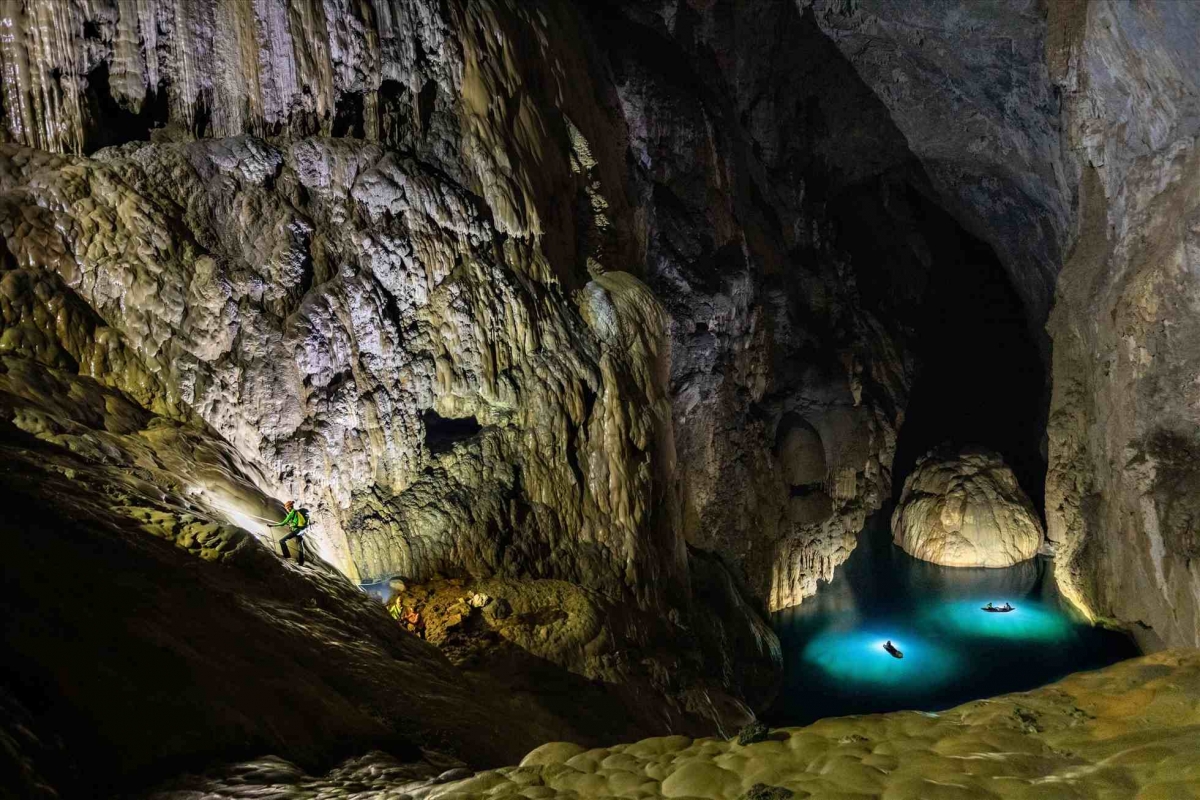
Discovered in 2009, Son Doong is now recognized as the largest natural cave in the world, located deep within Vietnam. Its scale and surreal beauty have redefined what we consider possible in nature.
A World Hidden Beneath the Earth
According to CBS News, the cave’s interior feels almost otherworldly:
Sunlight streams through massive openings in the cave ceiling—some as high as a 120-story building—illuminating underground rivers that shimmer like falling rain. The silence is broken only by echoes bouncing off enormous rock formations.
It’s not just a cave—it’s an entirely self-contained ecosystem, with landscapes that seem pulled straight from another planet.
The Journey to Get There
Reaching Son Doong is no easy feat. The only way in is by trekking, with the journey taking around a day and a half on foot through dense jungle terrain.
During one expedition featured on 60 Minutes, journalist Scott Pelley described the challenge:
A team of 53 people, including explorers, safety experts, and filmmakers
Carrying tents and equipment across rugged terrain
Crossing streams over 20 times, where water flows through limestone—one of the key elements that formed the cave
Leading the expedition was Howard Limbert, a veteran explorer who has spent over 30 years researching caves in Vietnam and helped discover hundreds of them.
Into the Unknown
For explorers like Peter MacNab, Son Doong represents pure adventure:
“You never really know what’s waiting around the next corner,” he said.
He recalls his first time inside the cave as a gradual reveal—vast chambers, endless corridors, narrow passages, and stunning stalactites slowly coming into view.
One of the most powerful moments is simply being there—a feeling that goes beyond time, beyond ordinary experience. It’s the kind of reward that only comes after days of effort and uncertainty.
A Scale Beyond Imagination
To truly grasp Son Doong’s size:
The cave stretches about 5.6 miles (9 km)
It reaches heights comparable to a 65-story building
At its widest point, it could fit a Boeing 747 flying through without its wings touching the sides
And yet, in some sections, the passage narrows to just shoulder-width.
Inside the largest chambers, Pelley noted, it doesn’t even feel like being underground anymore. With no phone signal, no satellites, explorers are completely cut off from the outside world.
The “Breath” of the Cave
Explorers often describe a strange sensation—a gust of air flowing from deep within the earth. This is what they call the “breath” of the cave, a sign of its immense scale and hidden depth.
Descending into Son Doong is equally dramatic:
“It felt like entering another world,” Pelley said. “Two men hung mid-air on a rock face, holding lights. Above them was the cave entrance—the last glimpse of daylight we would see for a long time.”
A Rare Discovery in the Modern World
In a time when much of the planet has already been explored, Son Doong stands as a rare exception—a place that still feels completely untouched and newly discovered.
As Pelley put it:
“There are not many places left on Earth to explore for the first time.”
And MacNab’s response says it all:
“Exactly. You have to search very carefully to find something this extraordinary.”
Son Doong isn’t just a destination—it’s a reminder that even in the 21st century, true natural wonders still exist, waiting to be discovered.