



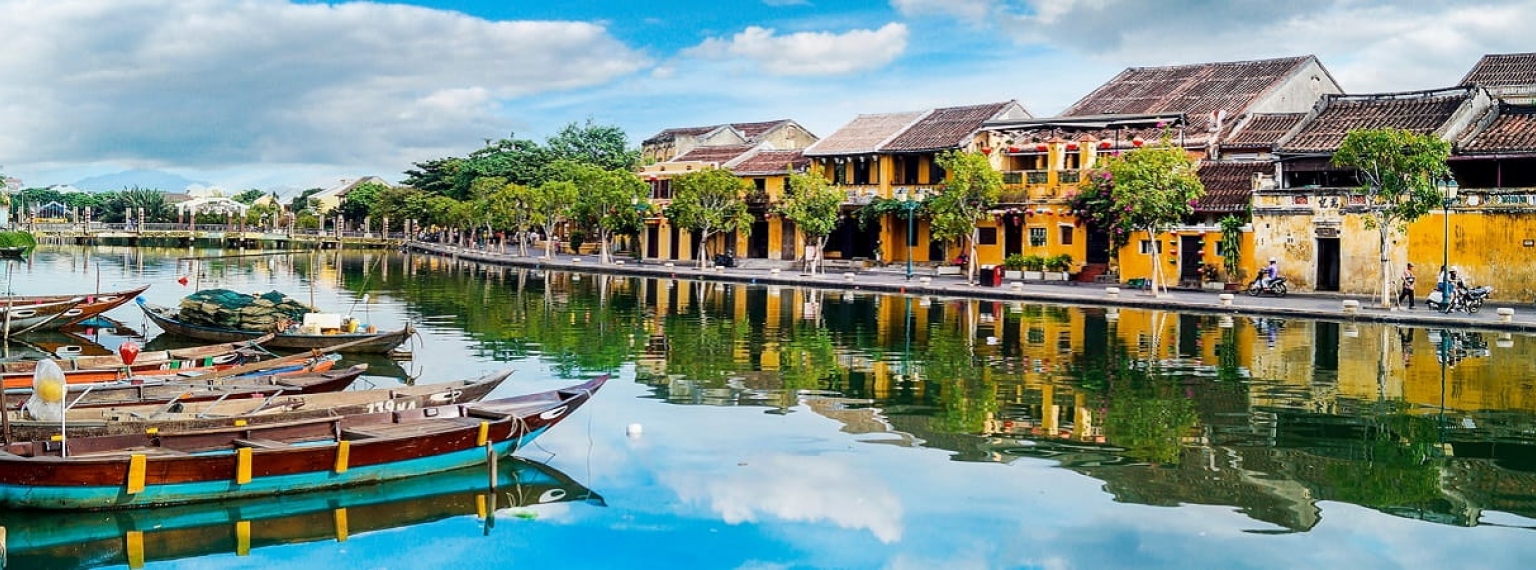
2025 Rewind - Vietnam Tourism’s magical comeback.
With more than 21 million international arrivals, 2025 marks a new era for Vietnam’s tourism industry, reaching its highest visitor record ever.

Looking back at Vietnam’s Travel in 2025
On December 15, the celebration for the 20 millionth international visitor held at Phu Quoc International Airport marked a new chapter for Vietnam’s tourism.
By the end of 2025, Vietnam is estimated to welcome 22 million international tourists and 135 million domestic tourists, surpassing the “golden year” of 2019 by more than 10%. Total tourism revenue is expected to reach one quadrillion VND, up 22.1% compared to the previous year. While global tourism has recovered to around 90% of pre-pandemic levels, Vietnam has made a remarkable breakthrough, recovering more than 110% and becoming a bright spot in the socio-economic landscape..
“The results of 2025 are something to be proud of,” said Nguyen Trung Khanh, Director of the National Administration of Tourism, especially as global tourism grows 5% on average and Asia-Pacific around 8%.

Source: Vnexpress.net
According to Pham Hai Quynh, Director of the Asian Development Institute, aside from visitor volume, the biggest achievement this year lies in market diversification, reducing dependency on a few regions as in previous years.
The shift in visitor quality also helped Vietnam move away from the “cheap destination” label toward high-spending segments such as golf tourism, MICE, and wellness travel. Numbers from key destinations demonstrate this: Ho Chi Minh City earned 260 trillion VND (over 20% growth vs. 2024), Hanoi reached 120.6 trillion VND (up 21%), and Khanh Hoa exceeded 62.5 trillion VND (up more than 20%). Real-scene performances combined with modern light technology and the growth of night-time economy lengthened the average stay of international visitors to 4.5 days from the previous 3.2 days.
Quynh also highlighted that Vietnam's consecutive wins of major international awards, such as the World Travel Awards 2025, strengthened its global tourism position.
2025 also saw clear improvements in tourism infrastructure. Many airports, expressways, and cruise ports were constructed or expanded, improving travel connectivity—especially for emerging tourism hubs in the northern mountains, Central Highlands, and central coastal regions. Additionally, Vietnam added 41 international ports to its e-visa entry list from December 2, increasing competitiveness and attractiveness.
Long-term investment in tourism and high-performance sports, as directed by Prime Minister Pham Minh Chinh, will play a vital role in showcasing Vietnam’s identity and spirit to the world.
Vietnam Tourism in 2026: Momentum, Innovation & A Year of Smarter Travel
Entering 2026, Vietnam stands at a defining point in Southeast Asian tourism. After a record-breaking 2025 with over 22 million international visitors, the country continues to push forward with stronger infrastructure, broader visa access, and a strategic shift from quantity to quality travel experiences. The new year signals growth—but with a clear focus on sustainability, premium services, and cultural depth.
Vietnam is no longer seen only as a budget destination—it is now positioning itself as a regional hub for premium and experiential travel.
Destinations to Watch for
While Hanoi, Ho Chi Minh City, and Da Nang remain the main gateways, 2026 shines a spotlight on emerging coastal cities and nature-driven escapes:
Quy Nhon & Phu Yen – quiet beaches, eco-resorts, and scenic coastal roads.
Moc Chau & Ha Giang – mountain escapes for trekking, photography, and cultural exploration.
Phu Quoc & Nha Trang – expected growth in luxury resorts, beach clubs, and marine tourism.
Hoi An & Hue – focusing on cultural immersion, local craft villages, and nighttime economy.
Night markets, LED light shows, cultural performances, and street-food tours are becoming more structured, helping travelers experience more than just sightseeing.
Infrastructure & Travel Convenience
Infrastructure development is one of the strongest drivers for tourism in 2026. Expansion projects at major airports including Noi Bai, Tan Son Nhat, Cam Ranh and Phu Quoc are improving capacity and convenience for international travelers. New expressways now connect more provinces, dramatically reducing travel time between cities and opening access to remote nature destinations. The growth of smart-tourism platforms, online ticketing, digital travel maps and AI-integrated guides means visiting Vietnam is becoming more seamless than ever.
For travelers, this means less waiting, smoother transport, and better access to remote landscapes.
Sustainability Becomes a Priority
Like other parts of the world, Vietnam is actively moving towards green tourism, as tourism is not just growing—it’s maturing. Community-based tourism continues to expand, allowing travelers to experience authentic local lifestyles through homestays, craft workshops and farm-to-table dining. Eco-friendly materials are also being implemented in the form of paper straw and utilities. All to show that Vietnam is growing with maturity and responsibility.
A rewind of 2025 and visions of 2026

All in all, 2025 has been nothing but a promising year for Vietnam tourism, with a higher potential than ever for a full recovery after the COVID-19 pandemic. Travelers now view Vietnam as one of the most worth-visitng destinations, not just in Asia, but all around the world.
Vietnam in 2026 is a story of transformation. Tourism is returning with speed, but it is also advancing with intention—toward quality, sustainability and better visitor experience. Travelers no longer come to Vietnam only to take photos; they come to collect stories, flavors and meaningful memories.