



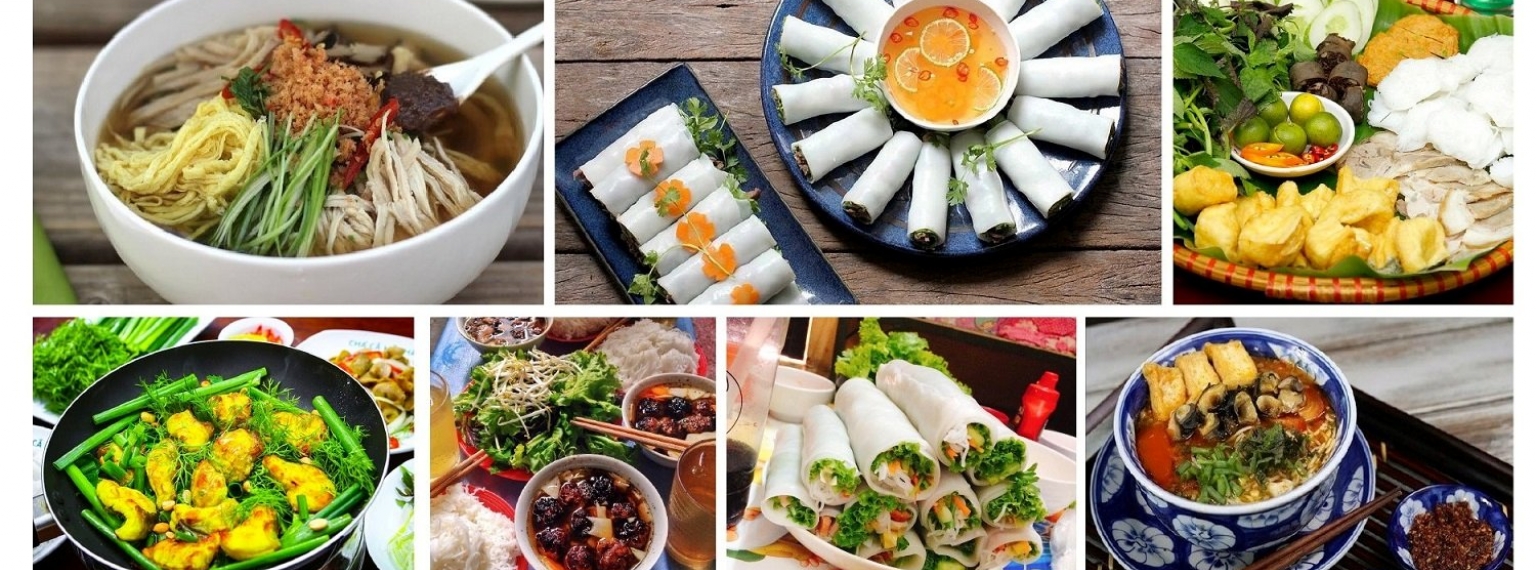
Food lovers special: Everything to eat in Hanoi all in one list

Hanoi is one of Asia’s great culinary capitals, shaped by centuries of tradition and a uniquely northern approach to flavor—light, balanced, and deeply aromatic. Food isn’t just a part of daily life here; it’s woven into the identity of the city. This guide gives you a clear, structured overview of what to eat in Hanoi, where to find the best versions, and how to navigate its mix of street stalls and modern restaurants. Whether you’re visiting for a day or a week, this is your quick-start guide to eating right in Vietnam’s capital.
Hanoi’s Signature Dishes You Shouldn’t Miss?

Some dishes are so tied to Hanoi that they are considered non-negotiables for any first-time visitor. These classics represent the city’s refined northern style—clean broths, fresh herbs, and subtle seasoning.
Phở: Hanoi’s culinary icon, known for its clear broth and tender beef or chicken.
Bún chả: Grilled pork patties and belly slices served with dipping broth, herbs, and noodles.
Bún thang: A delicate vermicelli soup with shredded chicken, egg strips, and mushrooms.
Xôi xéo: Sticky rice topped with mung bean, fried shallots, and sometimes chicken or pâté.
Bánh cuốn: Silky steamed rice rolls filled with minced pork and mushrooms.
These dishes are available everywhere, but finding the right spot can elevate the experience.
Where to find the Best Local Spots & Reliable Restaurants

Hanoi has thousands of eateries, from decades-old family stalls to polished modern restaurants. The locations below are consistently recommended by locals for flavor, cleanliness, and authenticity.
Phở Thìn (Hai Bà Trưng), Phở Bát Đàn, Phở Gà Nguyệt.
Bún Chả Hương Liên (Obama combo), Bún Chả Đắc Kim.
Chả Cá Thăng Long, Chả Cá Anh Vũ.
Xôi Yến, Xôi Cát Lâm.
Bánh Cuốn Bà Hoành, Bánh Cuốn Gia An.
These spots are mostly located in central districts, making them easy stops between sightseeing.
Street Food vs. Restaurant Dining: What Visitors Should Know
Street food is the heart of Hanoi’s culinary culture—quick, bold, and deeply personal. Restaurants, meanwhile, offer a more comfortable way to explore local dishes without the unpredictability of sidewalks and alleys.
Street stalls are best when you want strong flavors, traditional cooking, and a lively atmosphere. Restaurants, on the other hand, work well if you prefer air-conditioning, menu translations, stable pricing, and consistent hygiene. As a rule, street food is very safe at high-turnover locations, especially in the morning and early evening. Avoid stalls that look too quiet or keep food exposed for long periods.
Seasonal & Time-Based Eating Guide
Not all dishes shine at all times of the day or year. Hanoi’s culinary rhythm follows the seasons and even the weather.
Morning is ideal for phở, xôi, hoặc bánh cuốn because broths and rice rolls are freshest at dawn. Afternoon is better for snacks and fried dishes like nem chua rán or bánh giò. Evenings are perfect for grilled dishes, hotpots, and chả cá, when temperatures are cooler and dinners are more leisurely. Rainy days call for warm comfort bowls such as bún thang or cháo sườn.
What are Must-Try Snacks, Desserts & Drinks

Hanoi’s snack culture is almost as rich as its main dishes. Desserts are seasonal and often light, while drinks reflect the city’s café heritage.
Desserts: lotus sweet soup, hot glutinous rice balls in ginger syrup (winter), Tràng Tiền ice cream.
Drinks: egg coffee, coconut coffee, iced tea on the sidewalk.
Seasonal fruits: pomelo, longan, lychee, and custard apple, depending on the month.
These items add more local flavor to your trip and are easy to fit into a walking itinerary.
>>>MORE ABOUT THE DESTINATION? Find our Hanoi Golf Holiday Packages here
Are there Vegetarian & Halal-Friendly Options
Hanoi is not traditionally vegetarian, but modern dining has made plant-based food widely accessible. Many classic dishes now have vegetarian versions, such as phở chay or bánh cuốn chay. Halal travelers will find certified restaurants in the Old Quarter and around the mosque on Hàng Lược Street, serving both Vietnamese and Malaysian-style dishes. When in doubt, choosing freshly cooked items is the safest approach.
Quick Tips for Eating in Hanoi
Ordering and dining in Hanoi is simple once you understand a few basics. Locals often order by pointing at displayed ingredients or by stating the key protein they want. Peak hours—7:00–9:00 and 18:00–20:00—are crowded, so arrive early to avoid queues. Prices are generally posted, and cash is still preferred at smaller shops. If a place looks busy and clean, it’s usually a good sign.
Enjoy what you read? Read more here
Hanoi’s food scene can feel endless, but focusing on a few essential dishes gives you a solid starting point. From the artistry of a perfect bowl of phở to the smoky flavor of bún chả and the warmth of egg coffee, each meal reflects a piece of the city’s heritage. With the right guidance, eating in Hanoi becomes one of the most enjoyable parts of traveling here—simple, flavorful, and incredibly memorable.