




Hanoi Travel in a Nutshell 2026 – The Complete Hanoi Travel Guide
Hanoi is Vietnam’s cultural capital: compact, walkable, rich in history, and famous for food. The best time to visit is October–April. Stay in the Old Quarter for convenience. Expect affordable prices, reliable transportation, and a mix of traditional charm with modern comforts.
Main Content:
Quick Facts & Travel Basics
Hanoi’s top attractions and locations
Where to stay in Hanoi
Culinary highlights
Hanoi’s best golf courses
City transportation & traveling
When to visit Hanoi?
Essential Travel Tips for First-Time Visitors
- What to buy home?
FAQs
Hanoi delivers one of Asia’s most rewarding city experiences, blending centuries-old streets, lakeside scenery, and a dynamic food culture. This guide provides a concise, 2026-ready overview of essential travel information, helping you navigate the city with clarity and confidence.

1. The Basics of Traveling Hanoi
Hanoi is Vietnam’s political and cultural center, located in the northern region with a subtropical climate. The city is compact, easy to explore, and offers a diverse range of attractions from ancient temples to modern cafés.
Key Facts
Airport: Noi Bai International Airport (HAN)
Population: ~8.5 million
Main Areas: Old Quarter, French Quarter, West Lake, Ba Dinh
Local Transport: Grab, taxis, buses, motorbike taxis
Typical Budget: 30–80 USD/day depending on style
If you enjoy culture, architecture, food, and atmospheric streets, Hanoi delivers a unique depth of experience that contrasts sharply with southern cities like Ho Chi Minh City.
2. Where are Hanoi's top attractions located
Hanoi’s highlights combine history, culture, and natural charm. Below are concise descriptions of must-see spots.
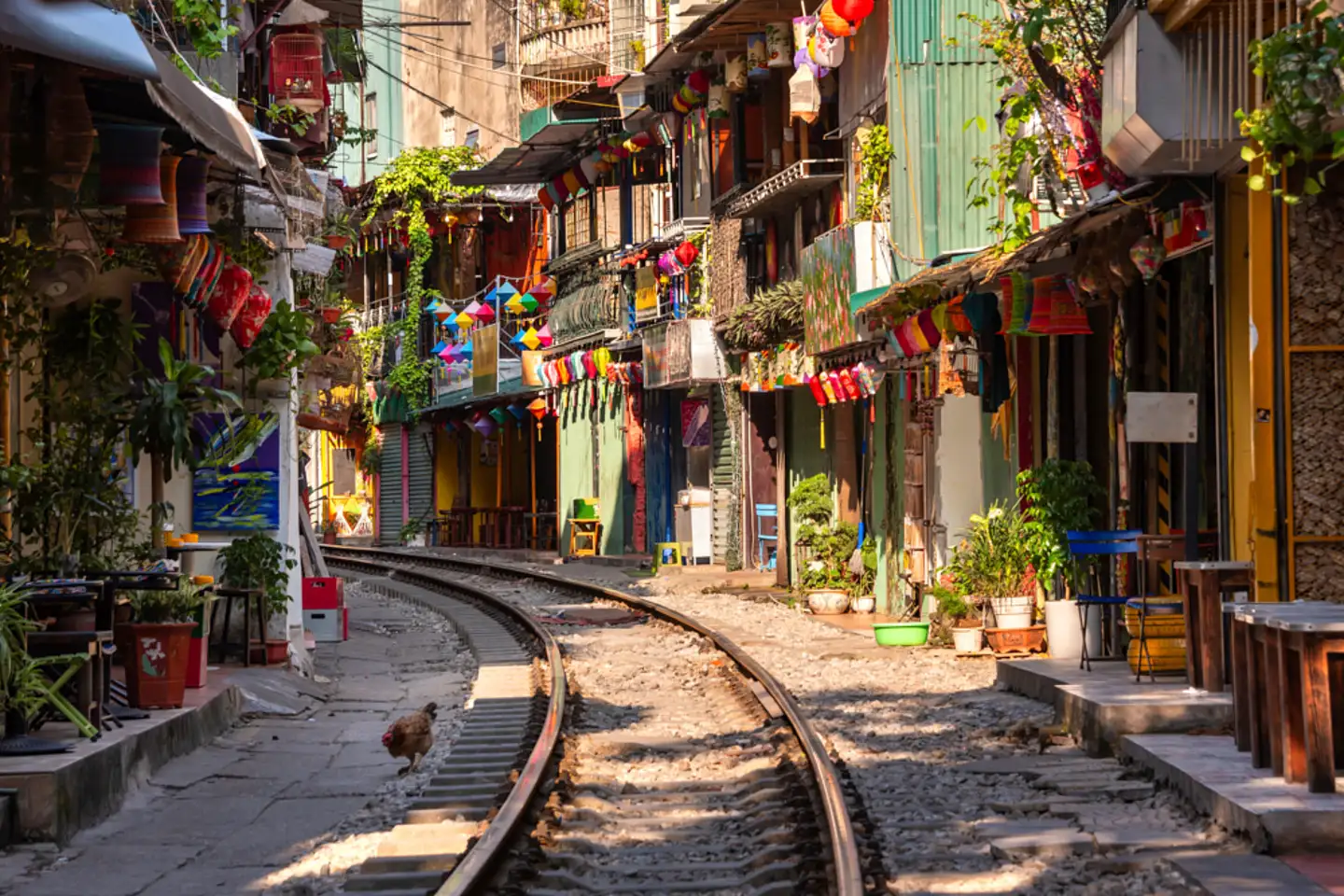
Hoan Kiem Lake & Ngoc Son Temple
A symbolic center of the city, offering calm scenery, sunrise exercise groups, and easy access to surrounding streets.
Old Quarter
A dense, energetic maze of 36 traditional guild streets filled with shops, cafés, and street food vendors.
Temple of Literature
Vietnam’s first national university, known for its peaceful courtyards and Confucian architecture.
Ho Chi Minh Mausoleum Complex
A significant political and historical landmark containing the mausoleum, Presidential Palace, and One Pillar Pagoda.
West Lake & Tran Quoc Pagoda
Hanoi’s largest lake, ideal for sunset walks, trendy restaurants, and visits to the city’s oldest Buddhist pagoda.
Hanoi Opera House & French Quarter
A showcase of colonial-era architecture and cultural events.
3. Where do I stay in Hanoi?
Hanoi’s accommodations cluster around key districts, each offering a different experience.
Old Quarter
Best for first-timers who want walking access to major attractions, street food, and nightlife. Expect narrow streets, lively traffic, and excellent convenience.
West Lake (Tay Ho)
A modern expat-friendly neighborhood with lakeside cafés, wellness studios, and spacious hotels. Suited for longer stays or a relaxed atmosphere.
Looking for a new, one-of-a-kind experience? Check out or list of Most Unique Hotels in Hanoi you have to visit once in your life
4. What are Hanoi's culinary highlights?
Hanoi is one of Asia’s top food destinations. Below are essential dishes you should try at least once.
Pho Hanoi: Clear broth, delicate seasoning, and fresh herbs—best enjoyed early in the morning.
Bun Cha: Grilled pork served with rice noodles and herbs; famously eaten by President Obama and Anthony Bourdain.
Banh Cuon: Steamed rice rolls filled with minced meat and wood ear mushrooms, topped with fried shallots.
Cha Ca La Vong: Turmeric-dill grilled fish served in sizzling pans.
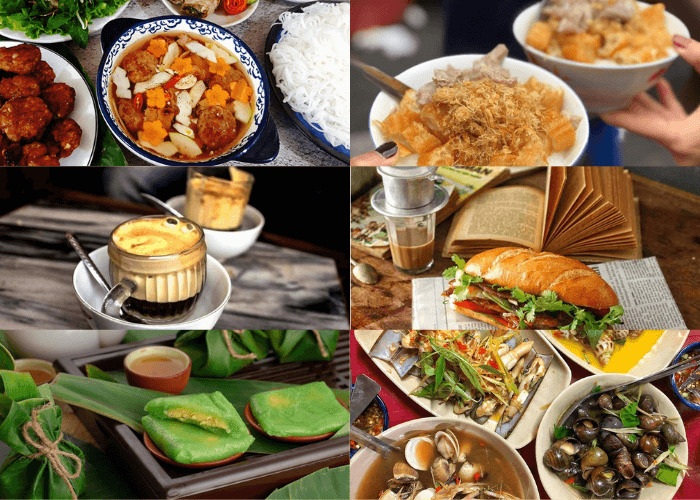
For a new and unique dining experience in Hanoi, try visiting our recommendations
- 5 Must-Try Chinese Restaurants in Hanoi.
- La Table Hanoia – A New Artistic Culinary Space Opens in Hanoi
5. Top-of-the-chart Golf Courses in Hanoi

Whether you’re in Hanoi for business, leisure, or a dedicated golf trip, the region delivers reliable course conditions, improving service standards, and a variety of playing styles. This 2026 update highlights the seven best golf courses you should consider around Hanoi...
In love yet? Find our Hanoi Golf Holiday Packages here
6. How to get around the city?
Hanoi is manageable but requires awareness of traffic norms.
Transportation Options
Grab / Taxi: Most convenient for short distances.
Walking: Ideal in the Old Quarter and French Quarter.
Motorbike Taxi: Fastest during peak hours but requires confidence.
Bus: Cheap and reliable for longer point-to-point routes.
Tip: Expect frequent traffic near the Old Quarter; plan extra travel time during peak hours.
Transportation From Hanoi to Popular Destinations
Hanoi is a gateway for northern Vietnam highlights.
Sapa
5–6 hours by limousine bus; 7 hours by overnight train.
Ha Long Bay
2.5 hours by expressway limousine; 30 minutes more to the cruise port.
Ninh Binh
1.5–2 hours by limousine bus; ideal for day trips or 1-night stays.
Hai Phong
1.5 hours by limousine bus; ideal for day trips or 1-night stays.
7. When to Visit Hanoi?
Hanoi has four distinct seasons, each offering a different travel experience.
Best Overall Season: October–April
This period provides cooler, more comfortable temperatures and clear skies.
Season Breakdown
Spring (Feb–Apr): Mild weather, light humidity, blooming flowers.
Summer (May–Aug): Hot, humid, occasional heavy rain.
Autumn (Sep–Nov): Pleasant temperatures, golden light, ideal for walking.
Winter (Dec–Jan): Cool and sometimes foggy, but comfortable for exploring.
Recommendation: If your itinerary is flexible, choose late October to early December for the best balance of weather and scenery.
NOTE: Our latest information on Hanoi Holidays & Golf Packages
8. Essential Travel Tips for First-Time Visitors
Always check for weather & temperature swings—Hanoi can be unexpectedly cold in winter.
Street crossings require confidence; walk slowly and predictably.
Book Ha Long and Sapa trips through reputable operators to avoid last-minute issues.
Cash is still widely used; always carry small bills for daily purchases.
Expect cafés, restaurants, and museums to close earlier than in southern cities.
9. What to buy home?
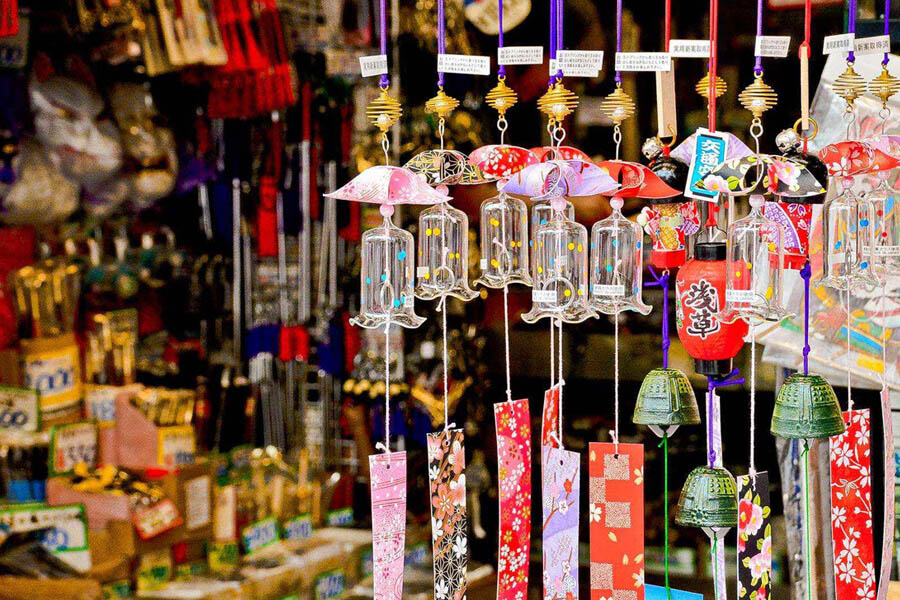
Hanoi's ancient and diverse culture means there's a wide range of souvenirs and stuff to buy home. Here is our list of the most worth-acquiring things to buy in Hanoi
- Silk Products – scarves, ties, áo dài from Hang Gai Street.
- Lacquerware – bowls, trays, decorative items.
- Ceramics – from Bát Tràng village (short trip from Hanoi).
- Vietnamese Coffee & Filter Sets – great local gift.
- Hand-embroidered items – pillowcases, napkins, artworks.
- Conical Hats (Nón Lá) – an iconic symbol of Vietnam
10. Frequently Asked Questions
Is Hanoi safe for tourists?
Yes. Petty theft is rare, and the city is generally safe to walk around both day and night.
How many days do you need in Hanoi?
Two to four days is ideal to explore major attractions and sample local food.
Is Hanoi expensive?
No. It’s one of Asia’s best-value capitals with a wide range of budgets.
Is English widely spoken?
In tourism areas, yes. In local neighborhoods, expect limited English.
Like what you’re reading? Find more of our inspirations here
Conclusion
Hanoi delivers a complete cultural experience—rich heritage sites, exceptional cuisine, atmospheric neighborhoods, and easy access to northern Vietnam’s most famous landscapes. With practical planning and the insights in this guide, you can explore the city efficiently and confidently in 2026 and beyond.